East Asia 04
East Asia (Area Studies): Monday 4th Period (月)4限
MONDAY East Asia (Spring 2026)
下記の方法に従うこと
READ THE DIRECTIONS
Complete:MAY 11 [月] ~ MAY 17 [日] | |
提出期間 (5月11日 ~ 5月17日) |
Complete : 提出期限
May 17 (10pm) (Sunday)
5月17日 (22:00) (日)
2026 Spring SemesterIWE (Friday) 2nd period10:50~12:30 [14 weeks] | ||
| Class Week | Day | Location |
| 1 | 4/13 | 6009 教室 |
| 2 | 4/20 | 6009 教室 |
| 3 | 4/27 | 6009 教室 |
| - | 5/4 holiday | no classes |
| TRIP | 5/6 (Wed.) | KAMAKURA (optional) 09:00~15:15 |
| 4 | 5/11 | 6009 教室 |
| 5 | 5/18 | 6009 教室 |
| ... | ||
| 9 | 6/15 | online only (no classroom) |
| ... | ||
| 14 | 7/20 | online only (no classroom) |
Two Main Religions in Japanese history | |
Shinto 神道 | Buddhism 仏教 |
| -native to Japan -started in Japan's Yayoi period (c. 300 BCE ~ 250 CE) -Shinto evolved from ancient nature worship and magic. 神道は古代の自然崇拝と呪術から発展した。 | -from northern India -started c. 500 BCE -Buddhism evolved from early Hinduism in India. 仏教はインドにおける初期ヒンドゥー教から発展した。 |
| Shinto is a Japanese religion | Buddhism entered Japan c. 500 CE from China and Korea. |
| kami 神 (deities/local gods) | Buddha (仏 Enlightened Being) |
| shamanism シャーマニズム animism/spirits 精霊 | Four Noble Truths & 8-fold Path 四つの聖なる真理 |
| shrines (神社 jinja) | temples (寺 tera) |
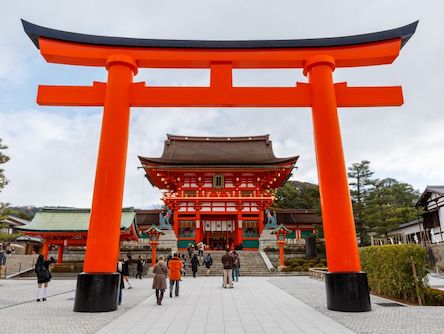 | 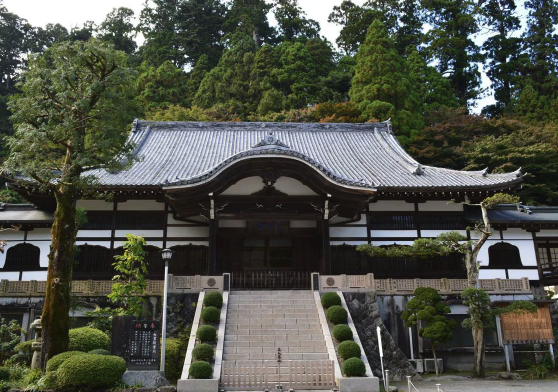 |
| Shinto priest 神主 only men are priests today | Buddhist monk 仏教僧 only men are monks in most countries |
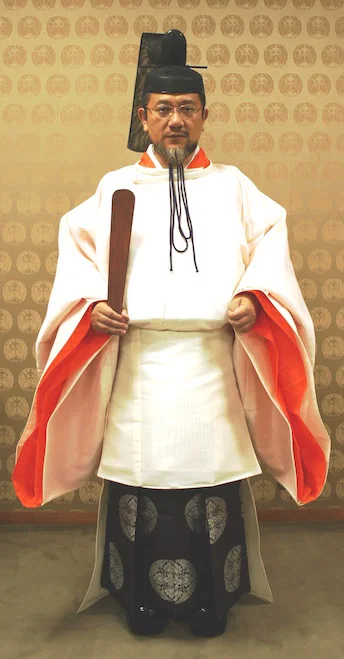 | 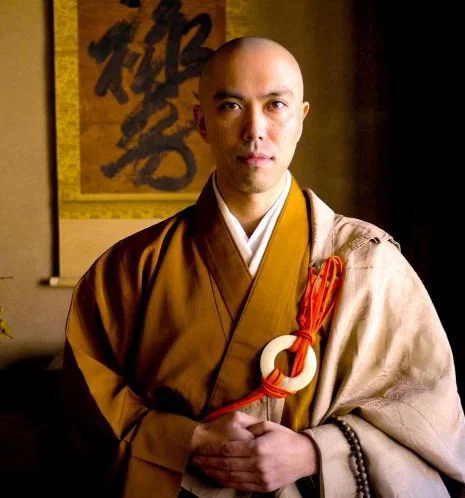 |
| Ancient Shinto - women held power, including Queen Himiko, perhaps Japan's first true ruler, who was a powerful Shamaness (priestess) 巫女. Women played an important role in shaping early Shinto. | Most Buddhism in Japan has tried to be peaceful. However, it also has a violent side. In ancient Japan, some Buddhist sects attacked other temples and even burned them down. Later, Japanese Zen Buddhism became the most popular form with the samurai warrior class. The samurai were especially violent between years 1150 and 1650. Some sects of Buddhism also trained warrior monks (special soldiers) during the civil war period 戦国時代 and even during WWII. |
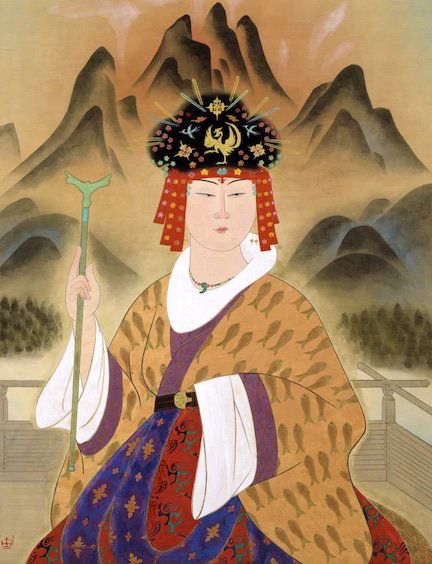 | 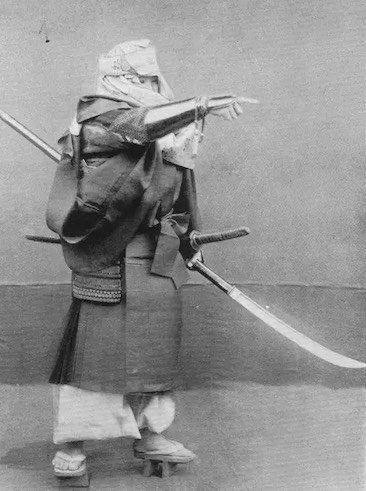 |
| Japanese language has no specific language for female priests/monks/shamans/sorcerers. Politics and older history texts have used the language to systematically write women out of Japan's ancient history, to promote patriarchy and the propaganda that power in Japan has always been with men. 日本語には、女性の僧侶、僧侶、シャーマン、呪術師を表す特定の言葉が存在しない。政治や古い歴史書は、この言葉を利用して日本の古代史から女性を組織的に抹消し、家父長制と、日本における権力は常に男性にあったというプロパガンダを広めてきた。 | |
| Spread of Buddhism map | |
Ethnic Variations in China (map)
Scientific variations of Han genetics
All human populations have genetic complexity
Warring States pre-Han map (c. 272 BCE)
Warring States map (c. 250 BCE)
- North-South Genetic Divide:The Han populationexhibits a distinct north-south gradient, with northern populations being closer to Siberian ancestries and southern populations showing more mixture with Southeast Asian populations.
- Not Homogenous:Studies show substantial heterogeneity within the Han population, rather than a single distinct genetic cluster.
- Cultural Assimilation:The Han identitywas historically formed through political and cultural assimilation rather than a pure biological lineage.
- Cultural Continuity vs. Biological Purity:Despite genetic diversity, there is a common cultural, linguistic, and ancestral connection, often tracing back to the Xia, , and dynasties.
Japanese genetic variations (Wiki)
Japanese variations (scientific)
Composition of Japanese throughout history
Article - Tripartite Theory (Japan)
Homo erectus (Peking Man) China: 1.9 million years ago; Korea: 500,000 years ago; Japan: never
April 20 Class Topic:Evolution of Religion in AsiaConfucianism, Buddhism, Arrival of Europeans & Christianity If you have never seen this film, I highly recommend "Silence," by Italian-American filmmaker Martin Scorsese. It takes place around the year 1635, during the Tokugawa government's violent persecution of Japanese Christians, mostly peasants. The film is based on the 1966 novel 沈黙 (Silence) by Shusaku Endo. Scorsese spent about 20 years planning this film, which is visually and historically accurate for the period. It stars several excellent Japanese actors, including Tadanobu Asano, Shinya Tsukamoto, and Yoshi Oida. | |
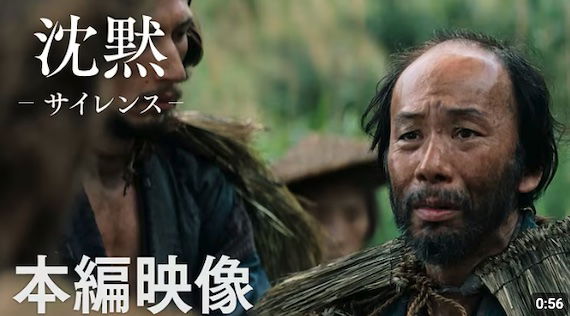 | Highly recommended film:Silence (2016) Film Clip: Crucifixion by the SeaFilm Clip: Priest Meets Edo InquisitorFilm Clip: Rodrigues SubmitsFilm Clip: the Beauty of Silence |
| In Modern Era (Control over religions continued until 1945). The idea that "the Japanese" are just one people with one religion/ideology, with just one history and one plan for all of Japan is modern propaganda. 「日本人」は一つの民族であり、一つの宗教・イデオロギーを持ち、一つの歴史と日本全体に対する一つの計画を持っているという考えは、現代のプロパガンダである。 Modern Imperial Control over Christian Socialism.pdf Shinto and Buddhism played no role in the 17th century destruction of Christianity. Christianity was destroyed by the Edo/Tokugawa Shogunate (government). | |
Place to eat and drinkis popular with International Students
|

?Possible FIELD TRIP??JUNE? (Saturday) 09:00~12:00?Not sure of date yet. 總持寺 | ||
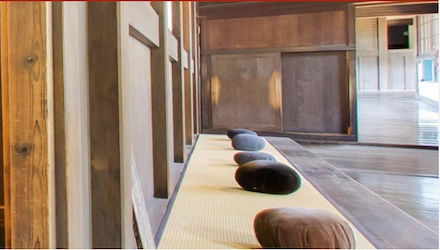 | Sōji-ji Zen Monastery (Wikipedia) 總持寺 (ウィキペディア) Sōji-ji (總持寺) is one of two daihonzan (大本山, "head temples") of the Sōtō school of Zen Buddhism. The other is Eihei-ji temple in Fukui Prefecture. Fodor's calls it "one of the largest and busiest Buddhist institutions in Japan." | |
Japanese Soto Zen Buddhism is the most famous form of Zen in the world, since it was the first form to be exported from Japan to the West. As a result, Soto zen has an international focus. This field trip will include 45 minutes of an English introduction to Zazen, which is zen-style meditation. Then we will take a guided tour of the temple in English. The cost at the temple is ¥500. By train and on foot, the monastery is about 40 minutes from Yokohama Station. JUNE ? @ 09:00 | ||
NOT RELIGIOUS - This trip is about CULTURE. If you are worried, this trip is NOT about religion. It is a tour of the temple and a basic introduction on how to meditate quietly in the Soto zen style. This is a monthly event open to the public. The focus is basic and practical. There is no religious requirement. It's mostly a way to experience a part of Japan's history. There is no easy way to explain zen, so it's best to experience it with your body. There will be a tour of the monastery afterward. Please don't worry about religious things or strict rules. That level of zen is only for advanced learners. We are just a friendly basic group. | ||
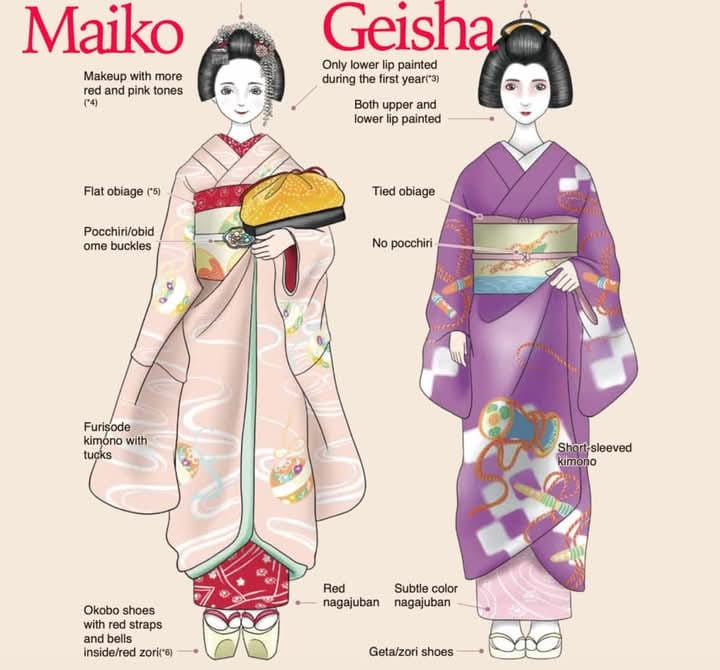
| Geisha (Geiko) vs. Maiko Geisha (Tokyo) / Geiko (Kyoto) | |
| Kyoto Theater (Geisha & Maiko performances) Geisha & Maiko on stage together @3:00 | |
| Kyoto: Senior Maiko Perfromance with Senior Geisha Musician | |
| Makeup of Low-Ranking (Junior) Geisha Makeup @7:15; Junior & Senior together @14:45 | |
 | |
| Noh Drama - Demon Plays (influence on anime) Noh is very stylized: masks and sound are important | |
| Kabuki - Boy Actor Kabuki emerged during the Edo period (stylized dance and costumes) | |
| Butoh: Post-Modern Dance Essentilist physical expressionism but borrows traditional Noh and Kabuki characteristcs | |
| Butoh Group: Water Dance | |
| Kodo - O-Daiko | |

Film Clip: Rodrigues SubmitsFilm Clip: Rodrigues SubmitsArticle