History - Fall 2024 - Week 8
HISTORY of Japanese Business: Monday 4th Period (月)4限
2024 Fall SemesterHistory Class Schedule (Monday)Online class ≠ holiday! | |
| Day | Location |
| 9/23 | 6009 教室 |
| 9/30 | 6009 教室 |
| 10/7 | 6009 教室 |
| 10/14 School holiday | no classes at KU |
| 10/21 (+) | 6009 教室 |
| 10/28 (+) | 6009 教室 |
| 11/4 School holiday | no classes at KU |
| 11/11 | website (online) オンライン |
| 11/18 (+) | 6009 教室 |
| 11/25 | 6009 教室 |
| 12/2 | 6009/hybrid |
| 12/9 | 6009 教室 |
| 12/16 | 6009 教室 |
| 12/23 | website (online) オンライン |
| 12/30 School holiday | no classes at KU |
| 1/6 | website (online) オンライン |
| 1/13 School holiday | no classes at KU |
| 1/20 Final Due | website (online) オンライン |
JAPAN
Economic Complexity Index (ECI)
harvard.edu/rankings
SECTION 1a & 1b:Energy, Oil, Cars(20 points & 30 points) ビデオ 問題Complete : 提出期限December 1 (9pm) (Sunday)12月01 日 (21:00) (日)(+1) Point submit by 11/29 (金) 21:00 | |
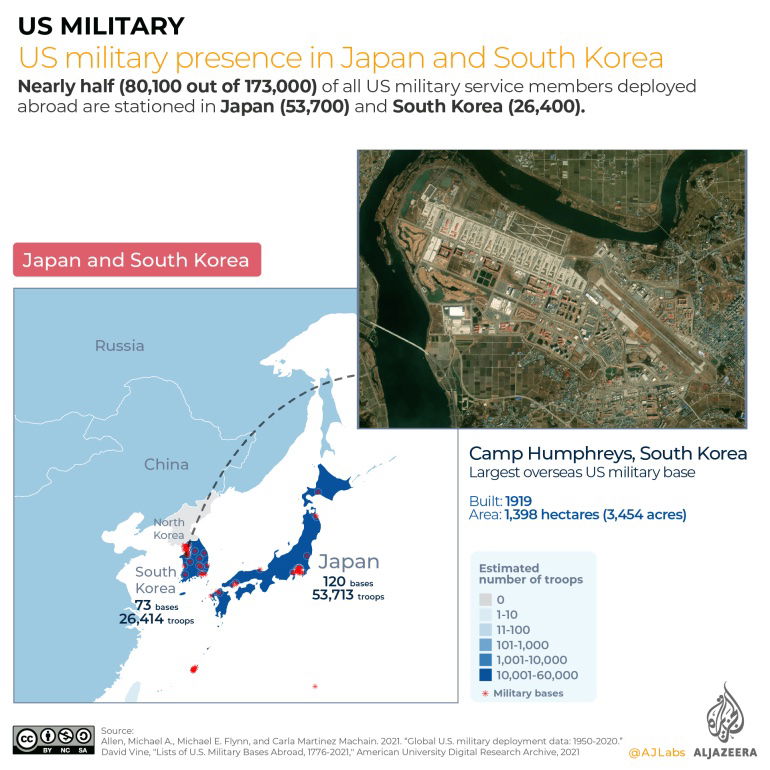
  | 1a. History of OilHistory of Oil Production (video)(Assignment 20 points) (課題) |
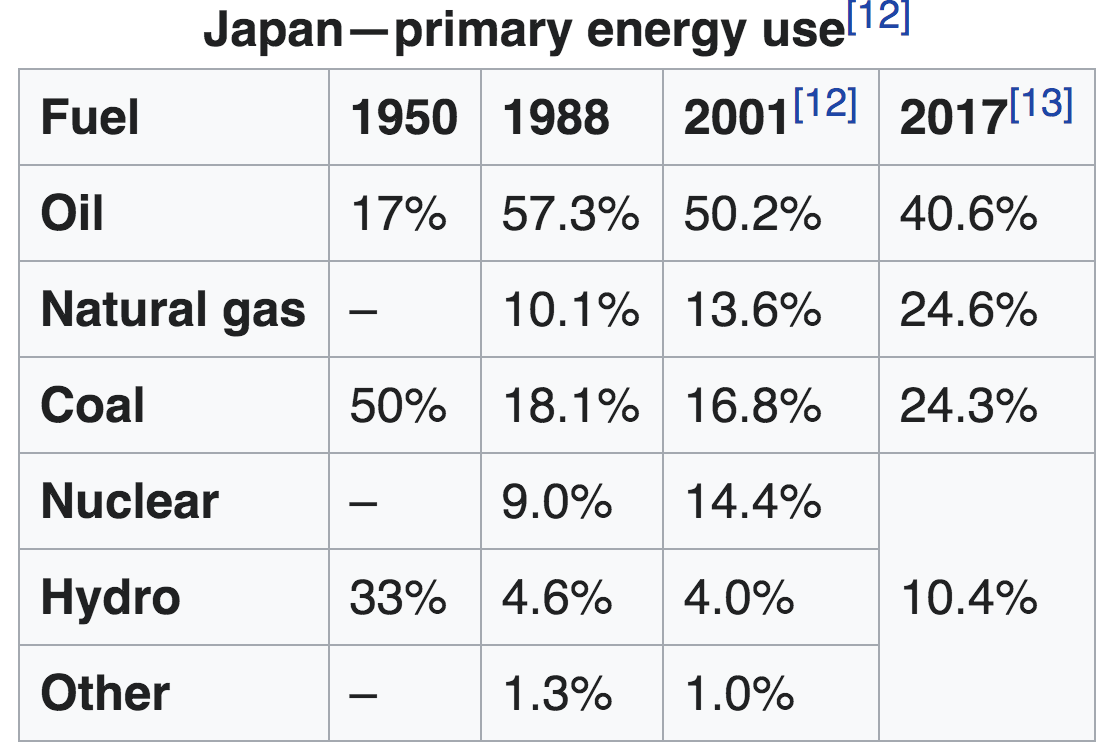
1b. Japan's Energyjapan_energy_2023.pdf"a white paper" = a government report (Assignment 30 points) (課題) | |
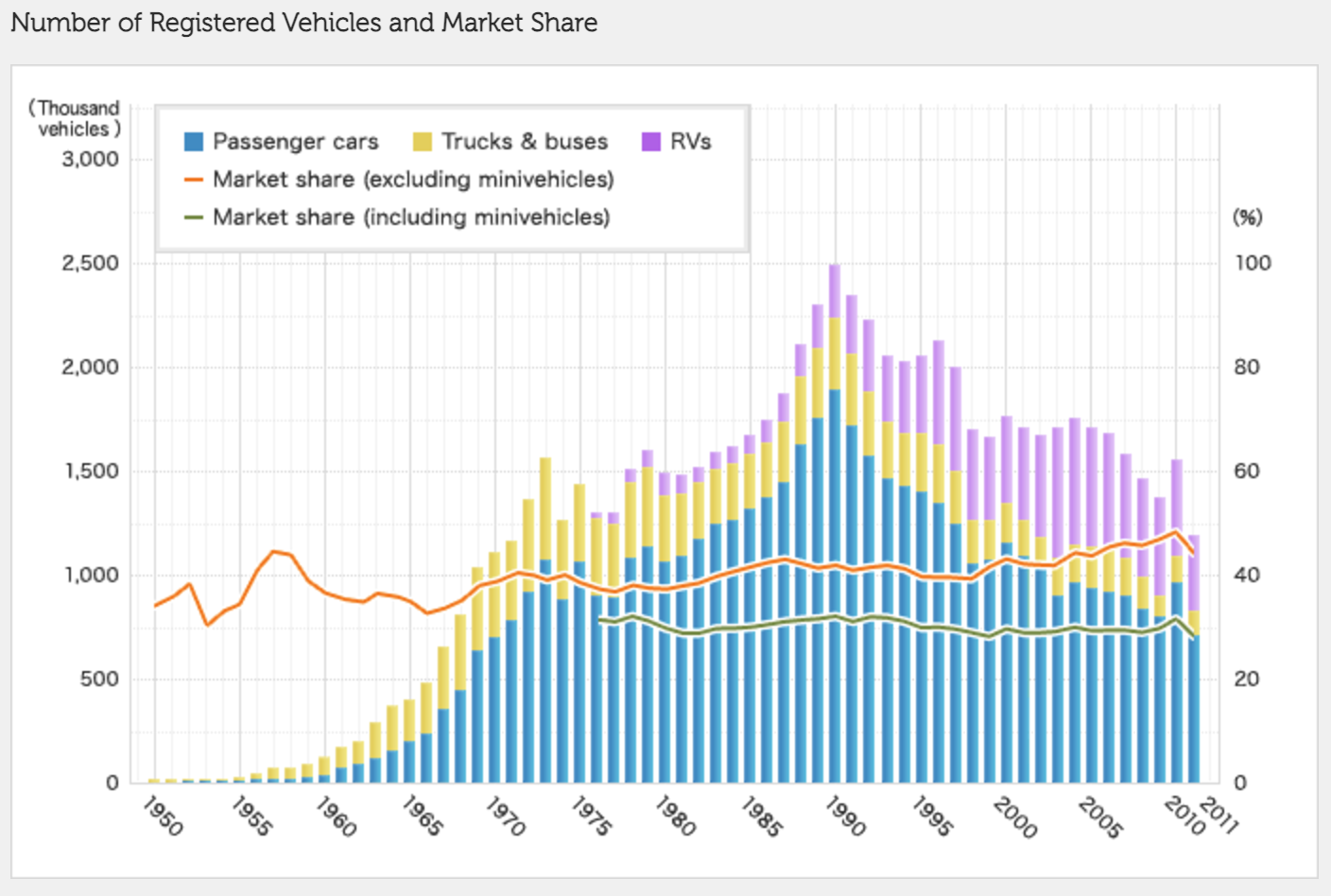
| Helpful links: Japan & Oil Use 1965-2023 Japan's Energy: Govt. Report 1979 Oil Crisis Energy in Japan (Wikipedia) Toyota's Vehicle Sales: Domestic Market 1950-2010 | |
SECTION 2Leadership & Decision Making(35 points) Complete : 提出期限December 1 (9pm) (Sunday)12月01 日 (21:00) (日)(+1) Point submit by 11/29 (金) 21:00 | ||
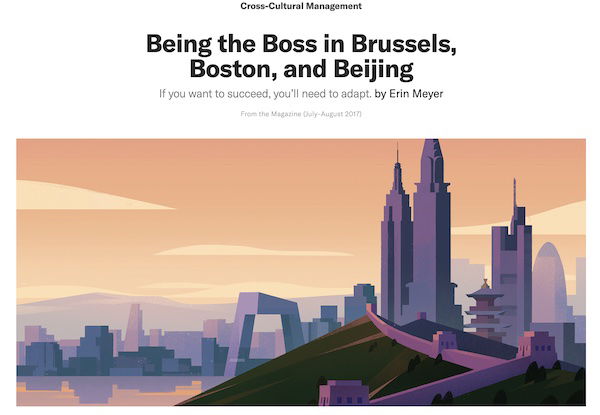
Cross-Cultural ManagementLeadership & Decision Making | ||
下記の方法に従うこと | ||
2. Leadership & Decision Making
(Assignment) (課題) Web Version of article: Leadership and Decision Making PDF version of article: Leadership and Decision Making.pdf Eight-scale Tool for Mapping Cultural Differences.pdf Culture Map Comparison: Economic Complexity Index (ECI) - harvard.edu/rankings | ||


Current GradesClass Grades 171 points possible Updated 11/20 23:55 | |||
| 2048 141 (82%) | 2597 166 (97%) | 2613 191 (112%) | 2629 198 (116%) |
| 2148 170 (99%) | 2598 208 (122%) | 2614 155 (91%) | 2631 166 (97%) |
| 2585 134 (78%) | 2599 193 (113%) | 2615 167 (98%) | 2632 169 (99%) |
| 2587 45 (26%) | 2600 178 (104%) | 2616 161 (94%) | 2658 154 (90%) |
| 2588 138 (81%) | 2601 155 (91%) | 2617 171 (100%) | 2659 154 (90%) |
| 2590 200 (117%) | 2607 153 (89%) | 2619 179 (105%) | 2660 134 (78%) |
| 2591 126 (74%) | 2608 159 (93%) | 2621 172 (101%) | 2665 159 (93%) |
| 2592 137 (80%) | 2609 160 (94%) | 2624 155 (91%) | 2683 150 (88%) |
| 2594 188 (110%) | 2610 153 (89%) | 2625 153 (89%) | 2684 156 (91%) |
| 2595 154 (90%) | 2611 175 (102%) | 2626 175 (102%) | 2688 159 (93%) |
| 2596 170 (99%) | 2612 189 (111%) | 2628 178 (104%) | 2690 122 (71%) |
 | |
Contact (email) Theron Fairchildtheron at mailfence dot com | |
Class ScheduleHistory 2024 | |
September 23 [week 1] (15:20~17:00)Japan: General Themes in History -Various themes from ancient times to the present -Economic History of Japan | |
September 30 [week 2] (15:20~17:00)Japan: Foreign Technologies & Influences -China, Korea, Portugal, Holland, USA -rice, tea, silk, writing, guns, Buddhism, neo-Confucianism -Tokugawa regime (bakufu); daimyo | |
-> Imperial Japan 1868-1945 <- | |
October 7 [week 3] (15:20~17:00)Meiji Era 1870s~1910s -Meiji Restoration; changes to nation -Tokugawa vs. Meiji economic, political & social organization -"Western learning" through the Japanese lens -rapid industrialization; zaibatsu ("financial cliques" = monopolies) -steel; shipbuilding; textiles -wars: China & Russia; annexation of Taiwan & Korea -industrial boom due to WWI video: zaibatsu illustration (6 min.) Class PDFs | |
October 14 is KU holiday: no classes | |
October 21 [week 4] TWO PARTS(PART 1) (required 70 min.) 15:20~16:30 1920s & 1930s -economy and politics after WWI; the 1920s-30s -consumer product markets: cosmetics; clothes, cars -birth of Toyota, Nissan, etc. -zaibatsu expansion -"new zaibatsu" and growth of militarism & global crises -banking crisis of 1927 (general) 昭和金融恐慌 Shōwa Kin'yū Kyōkō -Economist article: The Problem with the Meiji Period (PART 2) (EXTENDED LECTURE) (optional 60 min.) 16:40~17:40 -economy and politics in the 1920s-30s -global crises increase zaibatsu and militarism -details about internal & external conflicts -Japan's actions in China (1931~onward) -Second China-Japan War (1937-1945) Bloody Saturday (baby bombed photo) | |
October 28 [week 5] TWO PARTS(PART 1) (required 70 min.) 15:20~16:30 -Shiseido (Cosmetics) [case study of peacetime industry] -democracy, labor, peacetime economy 1923-36 -Japan's wartime economy, 1937-45 -war benefits zaibatsu, Toyota, Nissan, etc. -how the war affects issues today Asia-Pacific War (1937-1945) -War 1937-1945 (map of each day: video) (PART 2) (EXTENDED LECTURE) (optional 60 min.) 16:40~17:40 -details about the relationship between Japan & USA -details about the Pacific War -U.S. campaign in the Pacific -the atomic bombs and impact -"Downfall" by Richard Frank (End of the Japanese Empire) -Asia-Pacific War: Death Tolls & Actual Focus -WWII in the Pacific (1941-1945) | |
November 4 is KU holiday: no classes | |
-> Japan after 1945 <- | |
November 11 [week 6] = Website (online)Two videos: about postwar Japan & about SONY --web assignments | |
November 18 [week 7] TWO PARTS(PART 1) (required 75 min.) 15:20~16:35To understand Japan today, it is important to understand Japan after 1945. 1945-1960: Postwar occupation and recovery -current economic complexity - Japan -economic and political rebuilding (economic & political ideologies) -new constitution (1947) and industrial institutions (zaibatsu -> keiretsu) -developing close ties with the U.S. -war in Korea drives recovery in Japan -NTT from AT&T -birth of Sony, Honda, & Japan becomes exporter -evolution of Yamaha (PART 2.1) (optional 60 min.) 16:45~17:45Cold War in East Asia 1945-1991 (PART 1) -political, economic, & military conflicts of the period -revolution in China -polarized region: China & USSR vs. USA, Japan, allies -post-colonialism & revolution; violence & genocide -war in Korea: revolution in Indonesia; war in Vietnam; genocide in Cambodia Cold War in East Asia 1945-1991 (PART 2): More details, questions, etc. | |
November 25 [week 8](PART 1) (required) 15:20~16:551960s & 1970s -High-Growth Period of 1960s-70s -two economies: old industrialist vs. new consumerist -the new efficient business model -the new Japanese management model (Meyer's Culture Map) -Toyota Production System -creating the world's 2nd largest GDP -oil & automobiles, electronics (exports) (PART 2)(optional) 17:05~17:45Extra discussion and details about this period | |
December 2 [week 9] = 6009 / hybrid classEach student can choose one option for themselves: class OR online (1) Room 6009: History of women in Japan (15:20~17:00)-themes and topics from history that are important today -women in business and politics -working, labor: career statistics -Japanese women in the arts -geisha [geiko] vs. maiko -Japanese patriarchy & family system -family -women under the law (sex crime statistics) Extra discussion and details about this topic (2) Website-hybrid: Online Subjects -videos and reading on economic topics -online assignment | |
December 9 [week 10] (15:20~17:00)Bubble economy バブル経済 (1980s-90s)-Japan's economy in the 1980s-90s -management styles & philosophies -effects on Japan since year 2000 | |
December 16 [week 11] (15:20~16:50)General topics for Japan today-currency, inflation, debt, foreign investment -repairing the economy and Japan's decline -the challenge of China -Can Japan remain competitive in the future? --FINAL ASSIGNMENT given (PART 2) (POSSIBLE) 16:50~18:30Walking Tour of Yokohama -history in Yokohama on foot -Traditional Port Area & Yamashita Park | |
December 23 [week 12] = Website (online)Entertainment industry (exporting)-entertainment industry (exports) -film, anime & manga (industrial report) -Kurosawa, samurai films, Godzilla (ゴジラ) | |
December 30 is KU holiday: no cl0^[asses | |
January 6 [week 13] = Website (online)Economics video on the Japanese economy since 1990 --web assignment | |
January 13 is KU holiday: no classes | |
January 20 [week 14] = Website (online)--FINAL ASSIGNMENT due | |