History - Fall 2025 - Week 10
HISTORY of Japanese Business: Monday 4th Period (月)4限
MONDAY History (Fall 2025)
下記の方法に従うこと
READ THE DIRECTIONS
WEEK 10HistoryDecember 1 [月] ~ December 7 [日] |
2025 Fall SemesterHistory Class Schedule (Monday)[14 weeks] | ||
| Class Week | Day | Location |
| 10 | 12/1 & extra lec. | 6009 教室 & Women (17:00~) |
| 11 | 12/8 & extra lec. | 6009 教室 & Finance (17:00~) |
| 12 | 12/15 | 6009 教室 |
| 13 | 12/22 (no 6009) | website オンライン assignment |
| - | 12/29~1/12 (no Monday class) | No Monday classes at KU |
14 | 1/19 (no 6009) | website オンライン assignment |
SECTION 1: Article & Writingreading & writing assignment (35 points) REQUIRED for ALL STUDENTS Complete : 提出期限 (+1) Point submit by 12/6 (金) 21:00 | ||
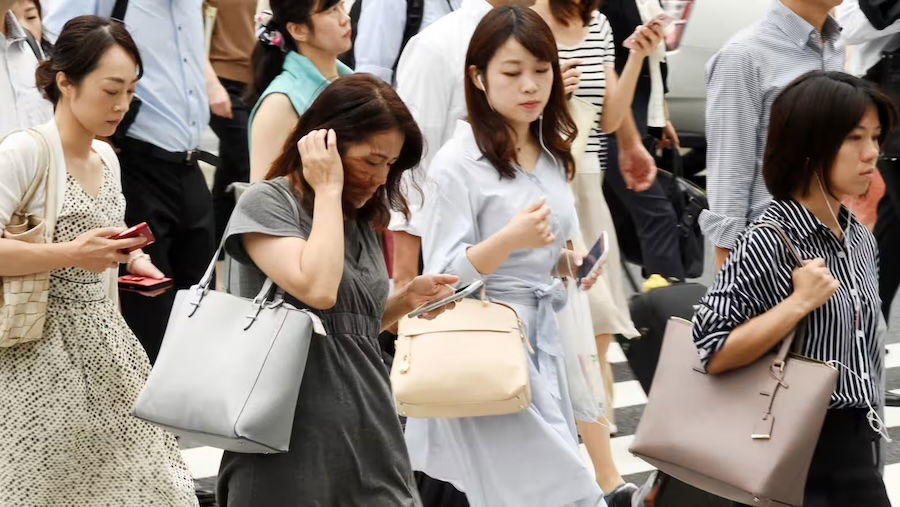
Women: Labor.pdf1. Women: Labor(Assignment 35 points) (課題) Download the PDF article and do the assignment.Answer the questions and do the short writing. | ||
| *MINIMUM SCORE - 68% required for first attempt (24/35 full with writing score) (12/22 question score) - Only 1st & 2nd scores recorded (You can try this as many times as you want, but your instructor will only consider the 1st & 2nd attempts.) The instructor will grade your essay writing separately. LINK: GGGI - Global Gender Gap Index | ||
SECTION 2: Video InterviewInterview with Dennis Tesolat:-New economy workers in Japan -History of labor unions in Japan -Workers' rights in Japan today Complete : 提出期限 | ||
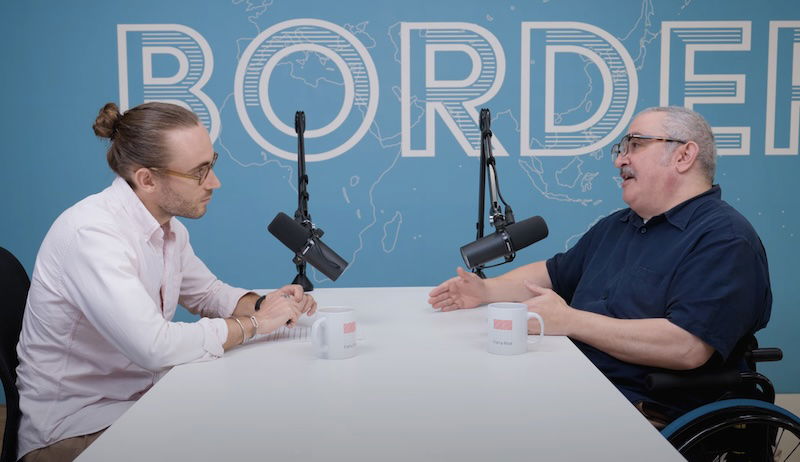 Watch Interview | Watch the video and do the exercise. Answer the questions. Please email me if you think there are mistakes in this assignment. | |
2. Interview AssignmentAssignment (課題)Watch Interview | ||
CURRENT GRADESWeeks 1~9 341 Points Possible Assignments & Class Tasks = 341 points Updated 11/30 22:45 | |||
4th period - 4限 | |||
| ID Points (%) | |||
| 201945 259 (76%) | 592595 296 (87%) | 592620 316 (93%) | 592650 343 (101%) |
| 301770 365 (107%) | 592599 268 (79%) | 592627 342 (100%) | 592651 343 (101%) |
| 301789 201 (59%) | 592602 347 (102%) | 592628 346 (101%) | 592653 384 (113%) |
| 301965 301 (88%) | 592604 189 (55%) | 592635 293 (86%) | 592657 433 (127%) |
| 302036 335 (98%) | 592605 276 (81%) | 592637 320 (94%) | 592659 332 (97%) |
| 302070 238 (70%) | 592606 254 (74%) | 592638 307 (90%) | 592662 374 (110%) |
| 302097 236 (69%) | 592608 334 (98%) | 592639 360 (106%) | 592663 309 (91%) |
| 401827 305 (89%) | 592610 324 (95%) | 592641 334 (98%) | 592664 309 (91%) |
| 402051 211 (62%) | 592611 332 (97%) | 592643 319 (94%) | 592665 324 (95%) |
| 402091 306 (90%) | 592613 331 (97%) | 592644 373 (109%) | 592668 399 (117%) |
| 592592 329 (96%) | 592616 162 (48%) | 592645 321 (94%) | 592680 272 (80%) |
| 592593 284 (83%) | 592618 303 (89%) | 592646 338 (99%) | 592688 375 (110%) |
| 592594 355 (104%) | 592619 233 (68%) | 592649 337 (99%) | |
Place to eat and drinkis popular with International Students
|

| |
September 22 [week 1] (15:20~17:00)Japan: General Themes in History -Various themes from ancient times to the present -Economic History of Japan | |
September 29 [week 2] (15:20~17:00)Japan: Foreign Technologies & Influences -China, Korea, Portugal, Holland, USA -rice, tea, silk, writing, guns, Buddhism, neo-Confucianism -Tokugawa regime (bakufu); daimyo | |
-> Imperial Japan 1868-1945 <- | |
October 6 [week 3] (15:20~17:00)Meiji Era (PART 1)15:20~16:10 (required)1870s~1910s Introduction to the Meiji Era & History of Yokohama --Assignment (PART 2) 16:20~18:20 (optional)Walking Tour of Yokohama Harbor -history in Yokohama on foot -Traditional Port Area & Yamashita Park | |
October 13 is KU holiday: no classes | |
October 20 [week 4] (15:20~17:00)Meiji Era: Industrialization 1870s~1910s -Meiji Restoration; changes to nation -Tokugawa vs. Meiji economic, political & social organization -"Western learning" through the Japanese lens -rapid industrialization; zaibatsu ("financial cliques" = monopolies) -steel; shipbuilding; textiles -wars: China & Russia; annexation of Taiwan & Korea -industrial boom due to WWI video: zaibatsu illustration (6 min.) Class PDFs | |
October 27 [week 5] TWO PARTS(PART 1) (required 70 min.) 15:20~16:30 1920s & 1930s -economy and politics after WWI; the 1920s-30s -consumer product markets: cosmetics; clothes, cars -birth of Toyota, Nissan, etc. -zaibatsu expansion -"new zaibatsu" and growth of militarism & global crises -banking crisis of 1927 (general) 昭和金融恐慌 Shōwa Kin'yū Kyōkō -Economist article: The Problem with the Meiji Period (PART 2) (EXTENDED LECTURE) (optional 60 min.) 16:40~17:40 -economy and politics in the 1920s-30s -global crises increase zaibatsu and militarism -details about internal & external conflicts -Japan's actions in China (1931~onward) -Second China-Japan War (1937-1945) Bloody Saturday (baby bombed photo) | |
November 3 [week 6] TWO PARTS(PART 1) (required 70 min.) 15:20~16:30 -democracy, labor, peacetime economy 1923-36 -Japan's wartime economy, 1937-45 -war benefits zaibatsu, Toyota, Nissan, etc. -how the war affects issues today Asia-Pacific War (1937-1945) -War 1937-1945 (map of each day: video) (PART 2) (EXTENDED LECTURE) (optional 60 min.) 16:40~17:40 -details about the relationship between Japan & USA -details about the Pacific War -U.S. campaign in the Pacific -the atomic bombs and impact -"Downfall" by Richard Frank (End of the Japanese Empire) -Asia-Pacific War: Death Tolls & Actual Focus -WWII in the Pacific (1941-1945) | |
-> Japan after 1945 <- | |
November 10 [week 7]-democracy, labor, peacetime economy 1923-36 -Japan's wartime economy, 1937-45 -war benefits zaibatsu, Toyota, Nissan, etc. -the failure of Japanese colonialism 1. US Occupation & Japanese Culture-lecture about post-1945 Japan -postwar Japan & new companies like SONY | |
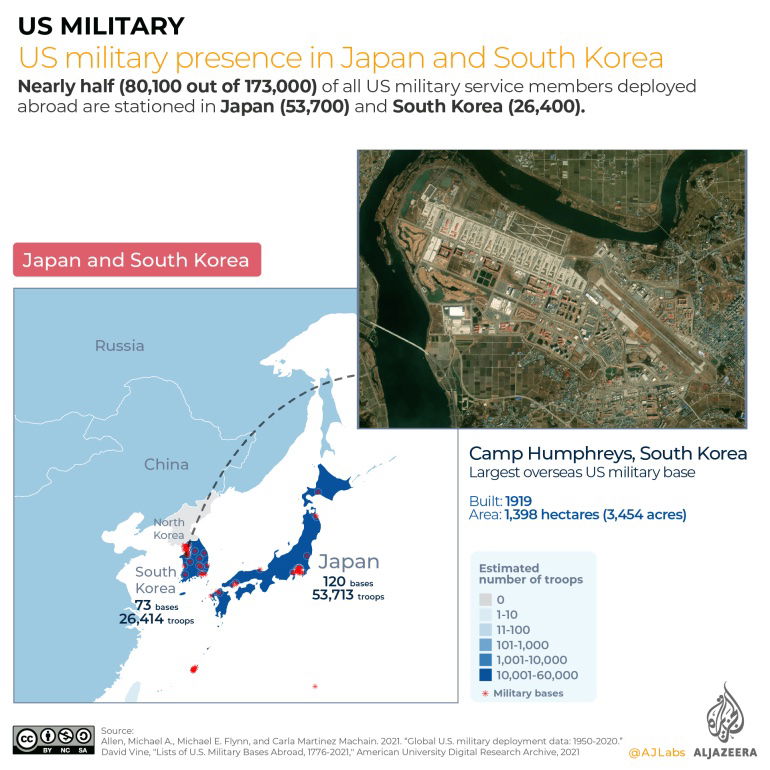
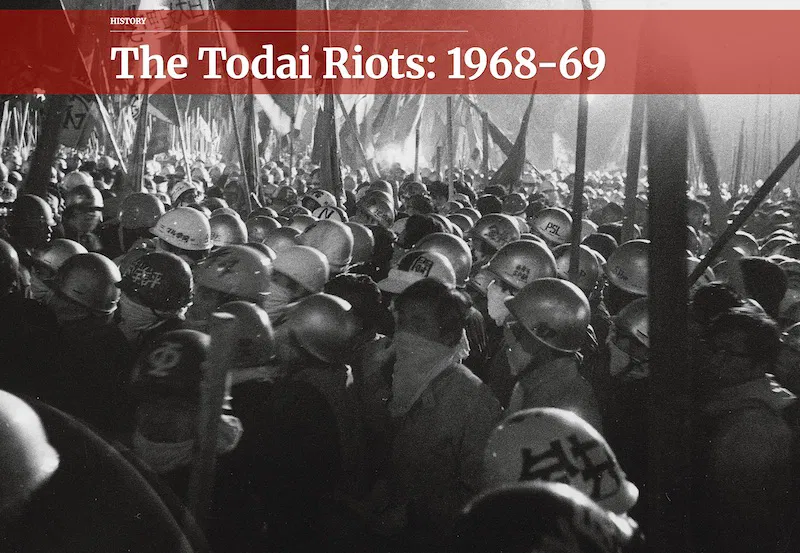
November 17 [week 8] TWO PARTS(PART 1) (required 75 min.) 15:20~16:35To understand Japan today, it is important to understand Japan after 1945. 1945-1960: Postwar occupation and recovery -current economic complexity - Japan -economic and political rebuilding (economic & political ideologies) -new constitution (1947) and industrial institutions (zaibatsu -> keiretsu) -developing close ties with the U.S. -war in Korea drives recovery in Japan -NTT from AT&T -birth of Sony, Honda, & Japan becomes exporter -evolution of Yamaha -Does Capitalism Actually Limit Creativity? Innovation Under Socialism (article) (PART 2.1) (optional 60 min.) 16:45~17:45Cold War in East Asia 1945-1991 (PART 1) -political, economic, & military conflicts of the period -revolution in China -polarized region: China & USSR vs. USA, Japan, allies -post-colonialism & revolution; violence & genocide -war in Korea: revolution in Indonesia; war in Vietnam; genocide in Cambodia Cold War in East Asia 1945-1991 (PART 2): More details, questions, etc. | |
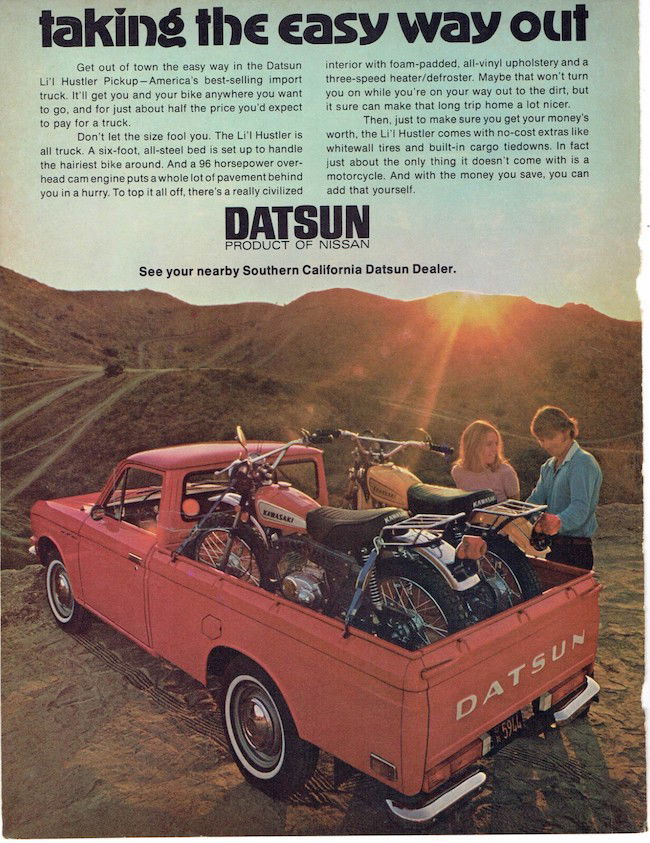
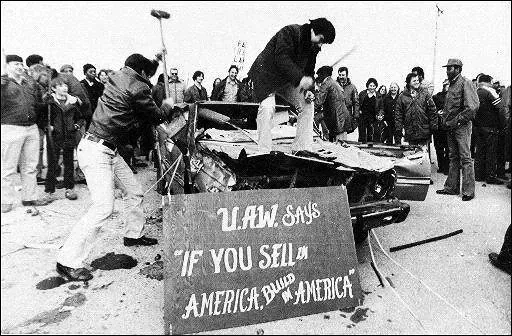
November 24 [week 9](PART 1) (required) 15:20~16:551960s & 1970s -High-Growth Period of 1960s-70s -two economies: old industrialist vs. new consumerist -the new efficient business model -the new Japanese management model (Meyer's Culture Map) -Toyota Production System -creating the world's 2nd largest GDP -oil & automobiles, electronics (exports) (PART 2) (optional) 17:05~17:45Extra discussion and details about this period | |
December 1 [week 10](1) Room 6009: History of women in Japan (15:20~17:00)-themes and topics from history that are important today -women in business and politics -working, labor: career statistics -Japanese women in the arts -geisha [geiko] vs. maiko -Japanese patriarchy & family system -family -women under the law (sex crime statistics) Between 2019 and 2022, nearly 40% of countries – home to over 1.1. billion women and girls in 2022 – stagnated or declined on gender equality. (SDG Report, 2025). Unfortunately, Japan is one of the stagnating countries. Most other stagnating countries are poor countries. (PART 2)(optional) 17:10~18:00Extra discussion and details about this topic | |
December 8 [week 11] (15:20~17:00)Bubble economy バブル経済 (1980s-90s)-Japan's economy in the 1980s-90s -management styles & philosophies -effects on Japan since year 2000 | |
December 15 [week 12] (15:20~16:35)Entertainment industry (exporting)-entertainment industry (exports) -film, anime & manga (industrial report) -Kurosawa, samurai films, Godzilla (ゴジラ) | |
December 22 [week 13] = Website (online)Histoy and video on Japan since 1990s --web assignment | |
December 29 & January 5 & January 12 are holidays: no classes | |
January 19 [week 14] = Website (online)--FINAL ASSIGNMENT due | |
 | |
Contact (email) Theron Fairchildtheron at mailfence dot com | |
Asia-Pacific War | |
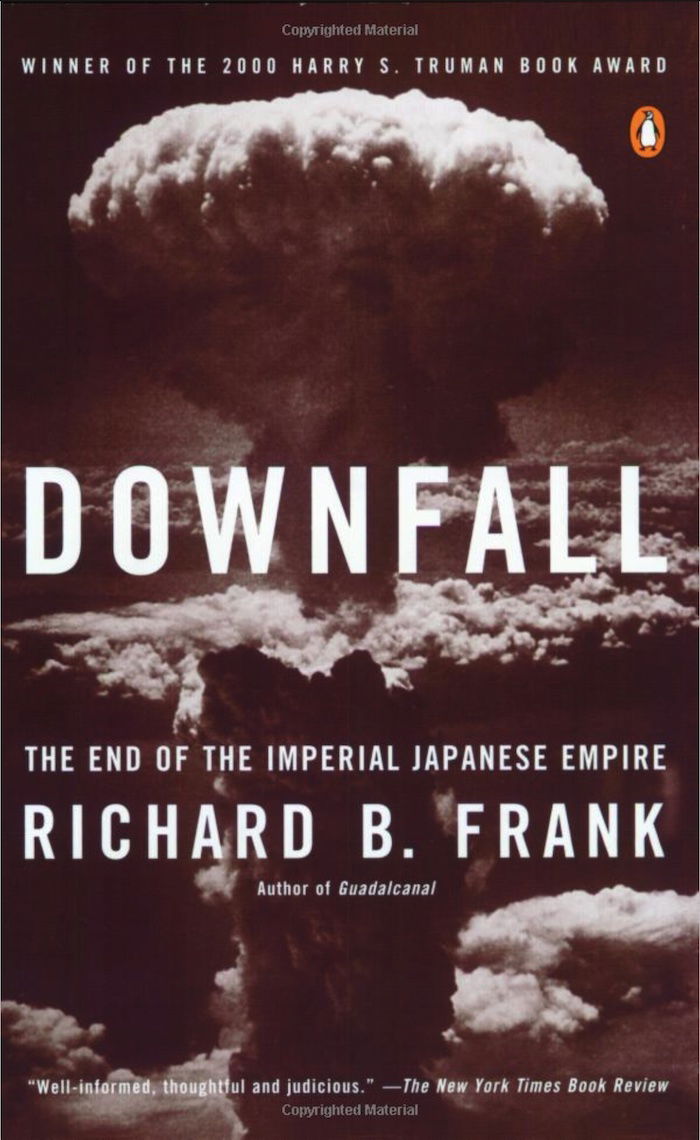 Richard Frank is an American historian who specializes in the Asia-Pacific War. He is known for extremely detailed research and writing, relying on evidence available from both Japanese and American archives. Downfall: The End of the Imperial Japanese Empire is the best book I have read about the end of the war, from both Japanese and American perspectives. The book focuses on 1945, discussing in detail the dire situation of Japan and the decisions leading up to the use of the atomic bombs. | Some videos included during sessionSome students have requested a second lecture on the Pacific War. There are many possible points to cover, so what are you interested in? Possibilities: 1. Japan's occupation of Asian regions (occupation, violence, war crimes) 2. Industrial wartime production (population & factories) 3. The U.S. bombing & blockade campaign 4. Atomic Weapons Development & Japan (wartime & afterward) Let me know if any of these interest you, or if you have some other topics that interest you. WWII CasualtiesCasualties in Asia about 35 million total, with Chinese casualties almost 20 million. |
| VIDEO Prewar -Japan: Rise of Ultranationalism -China: Conflict with itself & Japan -USA: American Empire War Factories: -Japan: Mitsubishi Zero -USA: Aviation -USA: Ships Bombing: -U.S. B-29 (Tokyo Raid) War Crimes: -Nanjing Massacre (Rape of Nanking) -Japan: Unit 731 & beyond (Australian news documentary) -Comfort Women: Interview with Ms. Kim Bok-Dong (survivor) -Comparison: Nazi Death Squads (SS Einsatzgruppen) Articles: -Article: Overview of War in Asia -Article: Atomic Narratives (by TF) | |