History - Fall 2025 - Weeks 12-14
HISTORY of Japanese Business: Monday 4th Period (月)4限
MONDAY History (Fall 2025)
下記の方法に従うこと
READ THE DIRECTIONS
WEEKS 12-14HistoryWEEK 12December 15 [月] ~ December 21 [日]WEEKS 13-14December 22 [月] ~ January 25 [日] |
2025 Fall SemesterHistory Class Schedule (Monday)[14 weeks] | ||
| Class Week | Day | Location |
| 12 | 12/15 | 6009 教室 |
| 13 | 12/22 (no 6009) | website オンライン assignment |
| - | 12/29~1/12 (no Monday class) | No Monday classes at KU |
14 | 1/19 (no 6009) | website オンライン assignment |
| But We're Speaking Japanese |
| "Why are these foreigners so rude to Japan?!" |
| TRUSTING INFORMATION |
| Tokyo Earthquake of 1923 Kanto Massacre (of Koreans & some Chinese) We can find errors/issues like this in other countries and languages too. This is just an example of how misinformation works in Japan. How information varies in Japan Three sources about Kanto killings of 1923 (articles from 2023): -Asahi Shimbun (fairly liberal newspaper) (59 confirmed murders, likely 1,000~3,000) -Mainichi Shimbun (moderatre-progressive newspaper) (40 confirmed murders, maybe 240 total) -Most conservative newspapers will simply deny that the events ever occurred. |
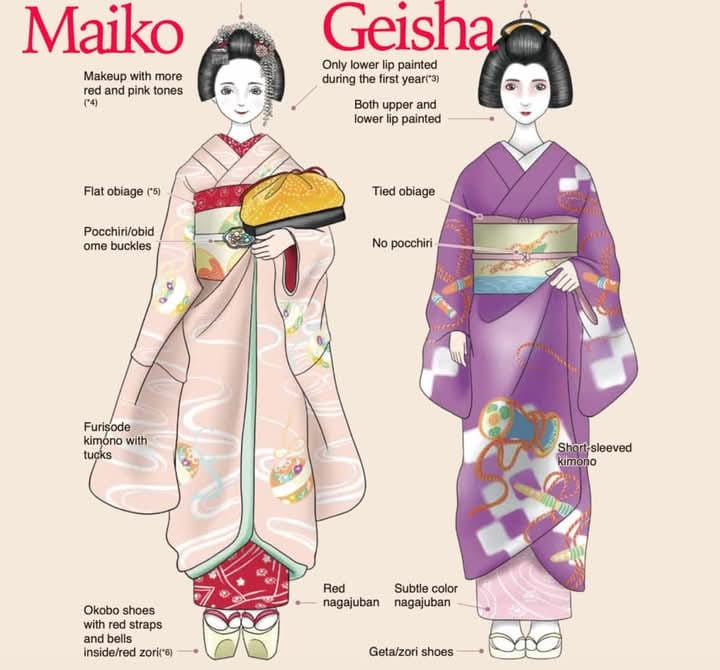
| Geisha (Geiko) vs. Maiko Geisha (Tokyo) / Geiko (Kyoto) | |
| Kyoto Theater (Geisha & Maiko performances) Geisha & Maiko on stage together @3:00 | |
| Kyoto: Senior Maiko Perfromance with Senior Geisha Musician | |
| Makeup of Low-Ranking (Junior) Geisha Makeup @7:15; Junior & Senior together @14:45 | |
 | |
| Noh Drama - Demon Plays (influence on anime) Noh is very stylized: masks and sound are important | |
| Kabuki - Boy Actor Kabuki emerged during the Edo period (stylized dance and costumes) | |
| Butoh: Post-Modern Dance Essentilist physical expressionism but borrows traditional Noh and Kabuki characteristcs | |
| Butoh Group: Water Dance | |
| Kodo - O-Daiko | |
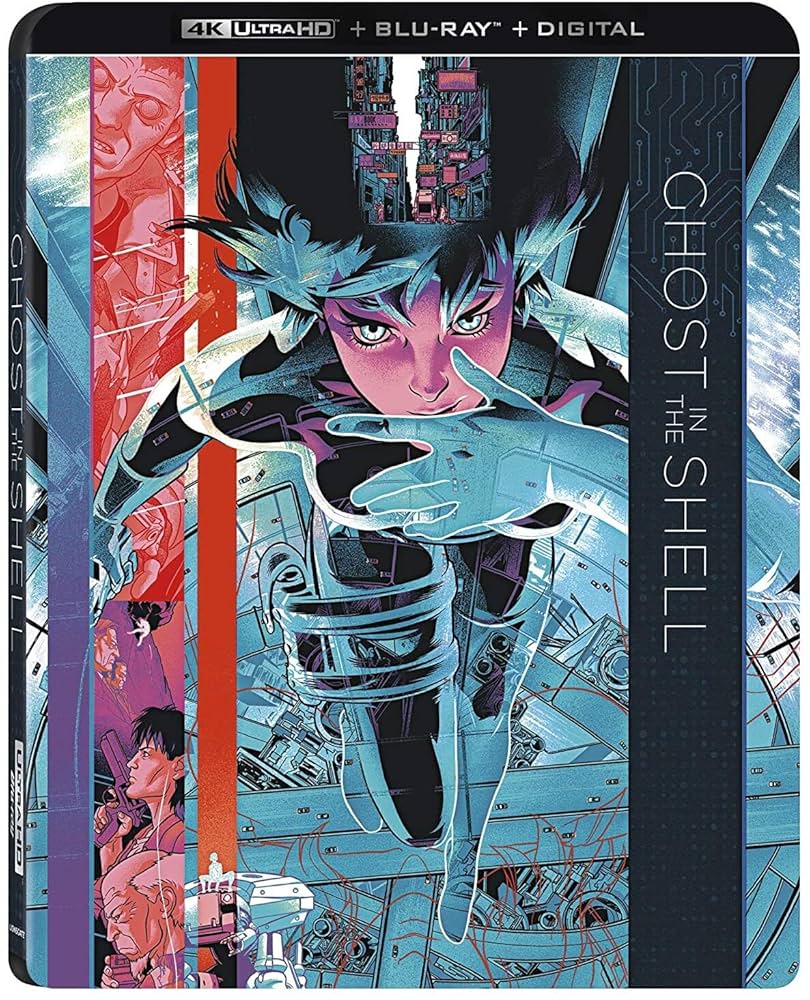 |
| Ghost in the Shell 攻殻機動隊 [こうかくきどうたい] (Kokakukidoutai) Manga created by Masamune Shirow 士郎正宗 Film directed by Mamoru Oshii 押井守 |
| Major Kusanagi - Opening Sequence |
| Ghost in the Shell - Live Concert |
SECTION 1REQUIRED |
Complete : 提出期限 December 22 (10pm) (Monday) 12月22日 (22:00) (月) Do Essay in Section 1.6 |
SECTION 1.1Godzilla | |
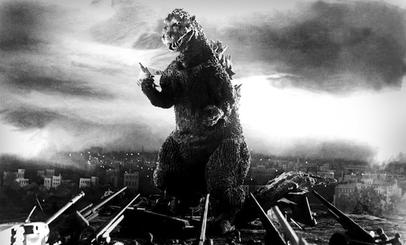 | Godzilla (Gojira) (3:33) |
| Toho Studios (2:10) (LOUD & Italian) | |
| Japanese film industry stats (1955-2023) | |
SECTION 1.2Samurai Films | |
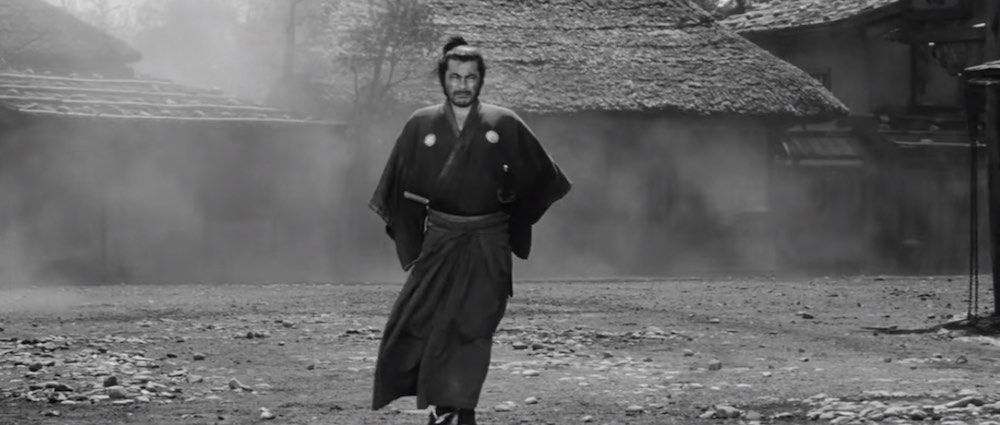 | Yojimbo (2:55) |
| Seven Samurai/Magnificent Seven (1:00) | |
| Mifune (2:08) | |
| Unforgiven (2013) (2:38) Unforgiven (1992) | |
SECTION 1.3Kurosawa & Star Wars | |
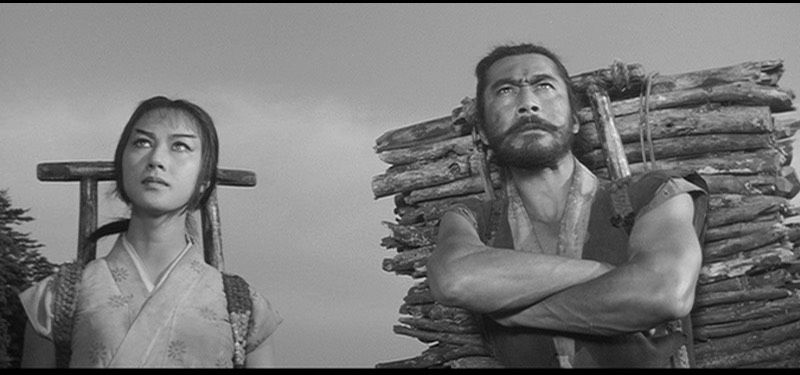 | Hidden Fortress/Star Wars (2:41) |
| Kurosawa & Star Wars (7:51) | |
SECTION 1.4Anime | |
 | Anime History (1960-2020) (video) |
| Totoro (video) | |
| Spirited Away (Chihiro) [Disney/English] | |
| Miyazaki (video) | |
| Anime Industry Report 2024.pdf Other anime industry reports (link) | |
| Anime labor: the Dark Side of Anime (link) | |
Dark Side Anime - karoshi article.pdfFrom the linked article: "But anime’s outward success conceals a disturbing underlying economic reality: Many of the animators behind the onscreen magic are broke and face working conditions that can lead to burnout and even suicide. The tension between a ruthless industry structure and anime’s artistic idealism forces animators to suffer exploitation for the sake of art, with no solution in sight." | |
SECTION 1.5Akira & GhostInfluential anime SF in the West | |
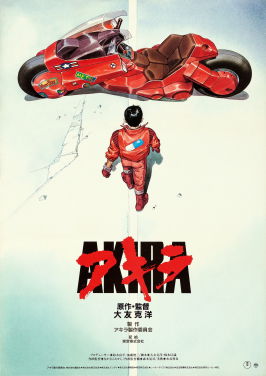 | Akira (1988) (1:52) Akira (Japanese) |
| 攻殻機動隊 Kōkakukidōtai Ghost in the Shell (1995) (3:30) (Montage) Ghost in the Shell (1995)(Spider Tank) [Japanese] | |
| The Matrix & Ghost-Shell compared (2:34) (LOUD) | |
SECTION 1.6Essay QuestionComplete : 提出期限 December 22 (10pm) (Monday) 12月22日 (22:00) (月) | |
1.6 Essay Question | Writing: 250 words or morebusiness/academic response |
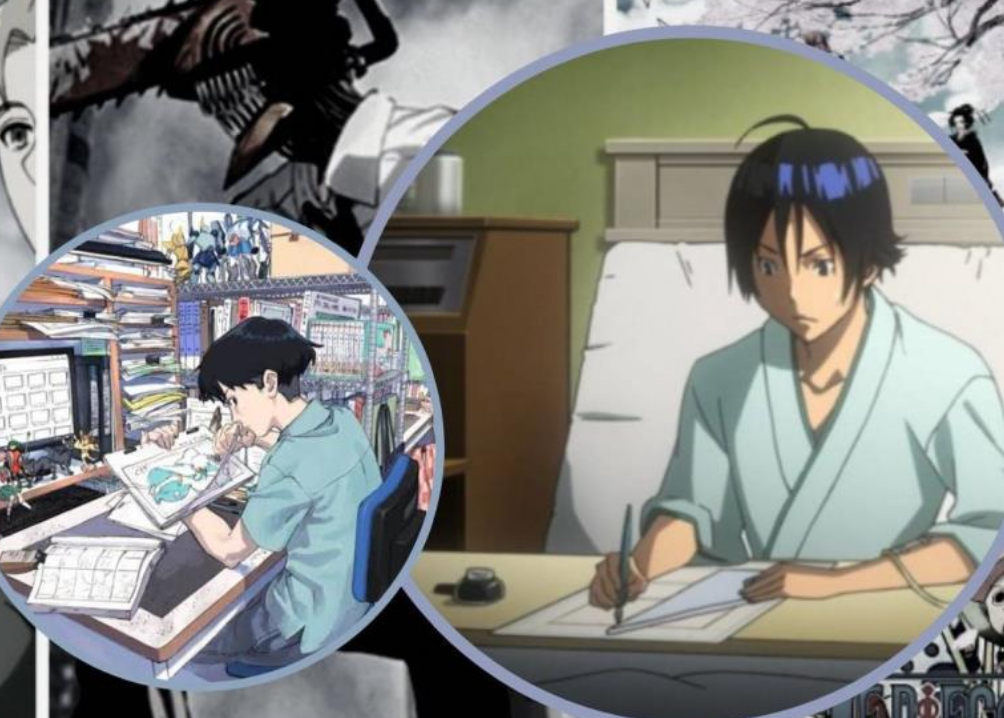
1.6 Essay Question about Movies & Anime (Assignment) (課題) (1) watch the videos above (2) read some of the anime karoshi article.pdf Info: Anime artists, especially young artists, make about ¥500 per hour, which is almost 3x below the national minimum wage level. Anime and manga creators/artists are well-known for working terribly long hours while their production companies are making larger-and-larger profits on productions. Unlike in places like the USA, where animation artists can belong to a union, Japanese artists are almost entirely contract workers with no legal representation. (3) review the Anime Industry Report 2024.pdf Optional for extra information & feeling on problems in anime & manga industries: (4) watch some of this (comedy) interview (日本語) with a creator WRITING: What thoughts or reactions to any of the material throughout Section 1? You can discuss multiple points or focus on just one aspect. Please explain your response. As the instructor, I need to know that you have actually thought about the material. What did you learn? What was important? The writing in this assignment should be at least 250 words. This is a business history class, not about your favorite movies or animation. Write an academic response. | |
"I thought the videos were interesting. I want to learn more about the topic. I love anime. It is so beautiful and touches my heart. Japanese animation is special. I am proud of Japan." | |
FINAL ASSIGNMENTS |
Three (3) Assignments |
(F1) Final Assignment 1 (REQUIRED) (due by 1/19) |
(F2) Final Assignment 2 (REQUIRED) (due by 1/19) |
(F3) Final Assignment 3 (Choose an option) (due by 1/25) |
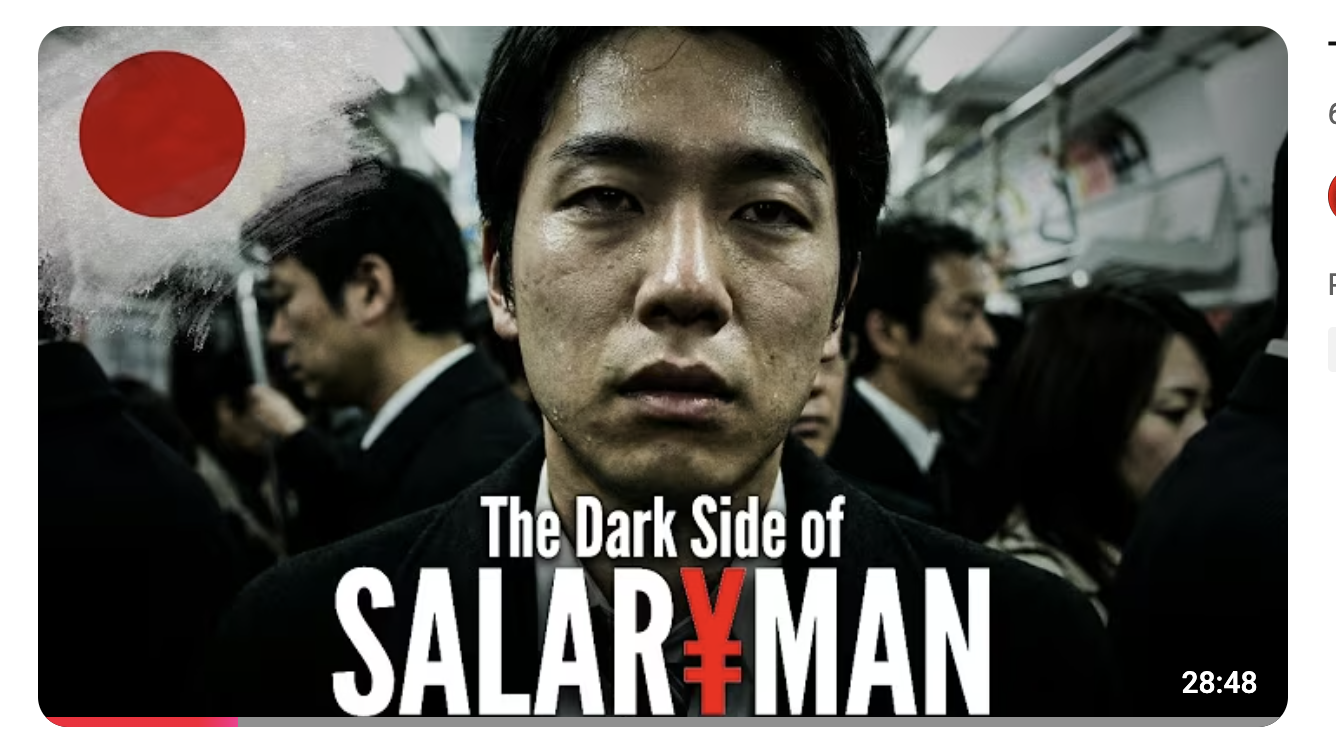
FINAL ASSIGNMENT (F1)REQUIRED for EVERYONE Dark Reality of Japan's SalarymenVideo & Comprehension Questions(NO Writing) Complete : 提出期限 January 19 (10pm) (Monday) 1月19日 (22:00) (月) | ||
| The speaker in this video (23-yeard-old male) presents seven reasons he believes Japanese (mostly men) work such long hours. The video adresses many myths about Japanese productivity and work ethic. This video is from the opinion of just one person, but each problem is presented clearly and accurately. We discussed female related issues before. This topic focuses mostly on male work culture and company culture. OECD = Organization for Economic Cooperation and Development (38 countries) | ||
 |
| |
F1. Dark - Salarymen | ||
FINAL ASSIGNMENT (F2)Why Japan Could Rise Again(About FDI) Video & Critical WritingComplete : 提出期限 January 19 (10pm) (Monday) 1月19日 (22:00) (月) (+1) Point submit by 1/13 (火) 22:00 | ||
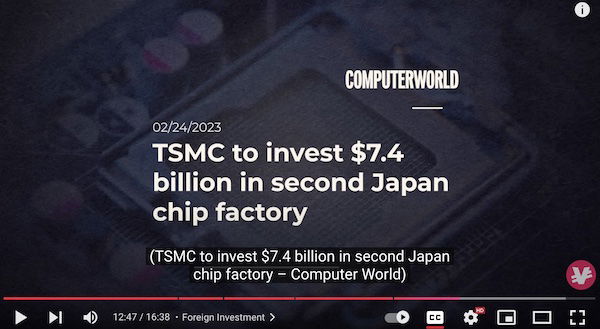
| This video discusses four structural problems in the Japanese economy. It also suggests how Japan can overcome these problems, starting with increased foreign direct investment. FDI (Foreign Direct Investment) is one point in the video. FDI in Japan is low compared to FDI in other countries. In the past, Japanese government made it rather difficult for foreign investors to invest directly in Japanese businesses or do things like open factories. However, recent government changes are now greatly promoting more FDI -- and also motivating Japanese companies to cut waste and cut ties with inefficient domestic (Japanese) companies, by accepting more foreign capital and foreign workers. In this video, the speaker suggests that Japan could pull out of its economic slump by making FDI more attractive to foreign investors. | ||
 |
| |
F2. Japan Could Rise AgainCritical Response: > 250 words (more detail is better) -In at least 250 words (more detail is always better), do you understand the information and critical assessment that the YouTuber is presenting? -What are the four structural problems with Japan's economy? -How can Japan potentially improve its economic situation in the future? -Is FDI a real option for Japan? Or is there too much cultural/social/bureaucratic resistance from within Japan? -If your home country is not Japan, then are there similar situations or economic issues in your home country? ------------------------------------------------------ Example of BAD WRITING (0 points): "Japan faces many problems. One problem is the economy. Japan should do something. The government shoiuld make a plan. I have a friend, and he said ..." Yes, EVERYONE knows that somebody should do something. And your friend's opinion isn't important. Please respond to the material and the questions presented. This is business writing, not about a personal opinion or personal impression. Write using details, and make a logical point. | ||
CURRENT GRADESWeeks 1~10 401 Points Possible Assignments & Class Tasks = 401 points Updated 12/8 20:00 | |||
4th period - 4限 | |||
| ID Points (%) | |||
| 201945 312 (78%) | 592595 333 (83%) | 592620 370 (92%) | 592650 338 (84%) |
| 301770 423 (105%) | 592599 322 (80%) | 592627 403 (100%) | 592651 414 (100%) |
| 301789 196 (49%) | 592602 409 (102%) | 592628 404 (101%) | 592653 447 (111%) |
| 301965 352 (88%) | 592604 220 (55%) | 592635 351 (88%) | 592657 494 (123%) |
| 302036 391 (98%) | 592605 327 (82%) | 592637 381 (95%) | 592659 396 (99%) |
| 302070 233 (58%) | 592606 322 (80%) | 592638 331 (83%) | 592662 441 (110%) |
| 302097 288 (72%) | 592608 394 (98%) | 592639 415 (103%) | 592663 363 (91%) |
| 401827 357 (89%) | 592610 394 (98%) | 592641 393 (98%) | 592664 367 (92%) |
| 402051 262 (65%) | 592611 379 (95%) | 592643 370 (92%) | 592665 379 (95%) |
| 402091 364 (91%) | 592613 384 (96%) | 592644 468 (117%) | 592668 409 (102%) |
| 592592 382 (95%) | 592616 204 (51%) | 592645 377 (94%) | 592680 340 (85%) |
| 592593 330 (82%) | 592618 359 (90%) | 592646 390 (97%) | 592688 438 (109%) |
| 592594 419 (104%) | 592619 255 (64%) | 592649 397 (99%) | |
Market Cap - Companies 1979-2021 (video)
Foreign Investment in U.S. Government Debt (U.S. Congress stats)
The Dark Reality of Japan's Salaymen
| Japaneseness as Religion (Japan Times article from 2015) |
| There are many in the West who look at Japan with nostalgia for the kind of monoracial and monocultural society they believe used to characterise their own countries. While I can understand the sentiment, I don’t think it’s productive or helpful. |
Un-Remembering History: Japan's History Wars
Place to eat and drinkis popular with International Students
|

| |
September 22 [week 1] (15:20~17:00)Japan: General Themes in History -Various themes from ancient times to the present -Economic History of Japan | |
September 29 [week 2] (15:20~17:00)Japan: Foreign Technologies & Influences -China, Korea, Portugal, Holland, USA -rice, tea, silk, writing, guns, Buddhism, neo-Confucianism -Tokugawa regime (bakufu); daimyo | |
-> Imperial Japan 1868-1945 <- | |
October 6 [week 3] (15:20~17:00)Meiji Era (PART 1)15:20~16:10 (required)1870s~1910s Introduction to the Meiji Era & History of Yokohama --Assignment (PART 2) 16:20~18:20 (optional)Walking Tour of Yokohama Harbor -history in Yokohama on foot -Traditional Port Area & Yamashita Park | |
October 13 is KU holiday: no classes | |
October 20 [week 4] (15:20~17:00)Meiji Era: Industrialization 1870s~1910s -Meiji Restoration; changes to nation -Tokugawa vs. Meiji economic, political & social organization -"Western learning" through the Japanese lens -rapid industrialization; zaibatsu ("financial cliques" = monopolies) -steel; shipbuilding; textiles -wars: China & Russia; annexation of Taiwan & Korea -industrial boom due to WWI video: zaibatsu illustration (6 min.) Class PDFs | |
October 27 [week 5] TWO PARTS(PART 1) (required 70 min.) 15:20~16:30 1920s & 1930s -economy and politics after WWI; the 1920s-30s -consumer product markets: cosmetics; clothes, cars -birth of Toyota, Nissan, etc. -zaibatsu expansion -"new zaibatsu" and growth of militarism & global crises -banking crisis of 1927 (general) 昭和金融恐慌 Shōwa Kin'yū Kyōkō -Economist article: The Problem with the Meiji Period (PART 2) (EXTENDED LECTURE) (optional 60 min.) 16:40~17:40 -economy and politics in the 1920s-30s -global crises increase zaibatsu and militarism -details about internal & external conflicts -Japan's actions in China (1931~onward) -Second China-Japan War (1937-1945) Bloody Saturday (baby bombed photo) | |
November 3 [week 6] TWO PARTS(PART 1) (required 70 min.) 15:20~16:30 -democracy, labor, peacetime economy 1923-36 -Japan's wartime economy, 1937-45 -war benefits zaibatsu, Toyota, Nissan, etc. -how the war affects issues today Asia-Pacific War (1937-1945) -War 1937-1945 (map of each day: video) (PART 2) (EXTENDED LECTURE) (optional 60 min.) 16:40~17:40 -details about the relationship between Japan & USA -details about the Pacific War -U.S. campaign in the Pacific -the atomic bombs and impact -"Downfall" by Richard Frank (End of the Japanese Empire) -Asia-Pacific War: Death Tolls & Actual Focus -WWII in the Pacific (1941-1945) | |
-> Japan after 1945 <- | |
November 10 [week 7]-democracy, labor, peacetime economy 1923-36 -Japan's wartime economy, 1937-45 -war benefits zaibatsu, Toyota, Nissan, etc. -the failure of Japanese colonialism 1. US Occupation & Japanese Culture-lecture about post-1945 Japan -postwar Japan & new companies like SONY | |
November 17 [week 8] TWO PARTS(PART 1) (required 75 min.) 15:20~16:35To understand Japan today, it is important to understand Japan after 1945. 1945-1960: Postwar occupation and recovery -current economic complexity - Japan -economic and political rebuilding (economic & political ideologies) -new constitution (1947) and industrial institutions (zaibatsu -> keiretsu) -developing close ties with the U.S. -war in Korea drives recovery in Japan -NTT from AT&T -birth of Sony, Honda, & Japan becomes exporter -evolution of Yamaha -Does Capitalism Actually Limit Creativity? Innovation Under Socialism (article) (PART 2.1) (optional 60 min.) 16:45~17:45Cold War in East Asia 1945-1991 (PART 1) -political, economic, & military conflicts of the period -revolution in China -polarized region: China & USSR vs. USA, Japan, allies -post-colonialism & revolution; violence & genocide -war in Korea: revolution in Indonesia; war in Vietnam; genocide in Cambodia Cold War in East Asia 1945-1991 (PART 2): More details, questions, etc. | |
November 24 [week 9](PART 1) (required) 15:20~16:551960s & 1970s -High-Growth Period of 1960s-70s -two economies: old industrialist vs. new consumerist -the new efficient business model -the new Japanese management model (Meyer's Culture Map) -Toyota Production System -creating the world's 2nd largest GDP -oil & automobiles, electronics (exports) (PART 2) (optional) 17:05~17:45Extra discussion and details about this period | |
December 1 [week 10](1) Room 6009: History of women in Japan (15:20~17:00)-themes and topics from history that are important today -women in business and politics -working, labor: career statistics -Japanese women in the arts -geisha [geiko] vs. maiko -Japanese patriarchy & family system -family -women under the law (sex crime statistics) Between 2019 and 2022, nearly 40% of countries – home to over 1.1. billion women and girls in 2022 – stagnated or declined on gender equality. (SDG Report, 2025). Unfortunately, Japan is one of the stagnating countries. Most other stagnating countries are poor countries. (PART 2)(optional) 17:10~18:00Extra discussion and details about this topic | |
December 8 [week 11] (15:20~17:00)Bubble economy バブル経済 (1980s-90s)-Japan's economy in the 1980s-90s -management styles & philosophies -effects on Japan since year 2000 | |
December 15 [week 12] (15:20~16:35)Entertainment industry (exporting)-entertainment industry (exports) -film, anime & manga (industrial report) -Kurosawa, samurai films, Godzilla (ゴジラ) | |
December 22 [week 13] = Website (online)Histoy and video on Japan since 1990s --web assignment | |
December 29 & January 5 & January 12 are holidays: no classes | |
January 19 [week 14] = Website (online)--FINAL ASSIGNMENT due | |
 | |
Contact (email) Theron Fairchildtheron at mailfence dot com | |
Asia-Pacific War | |
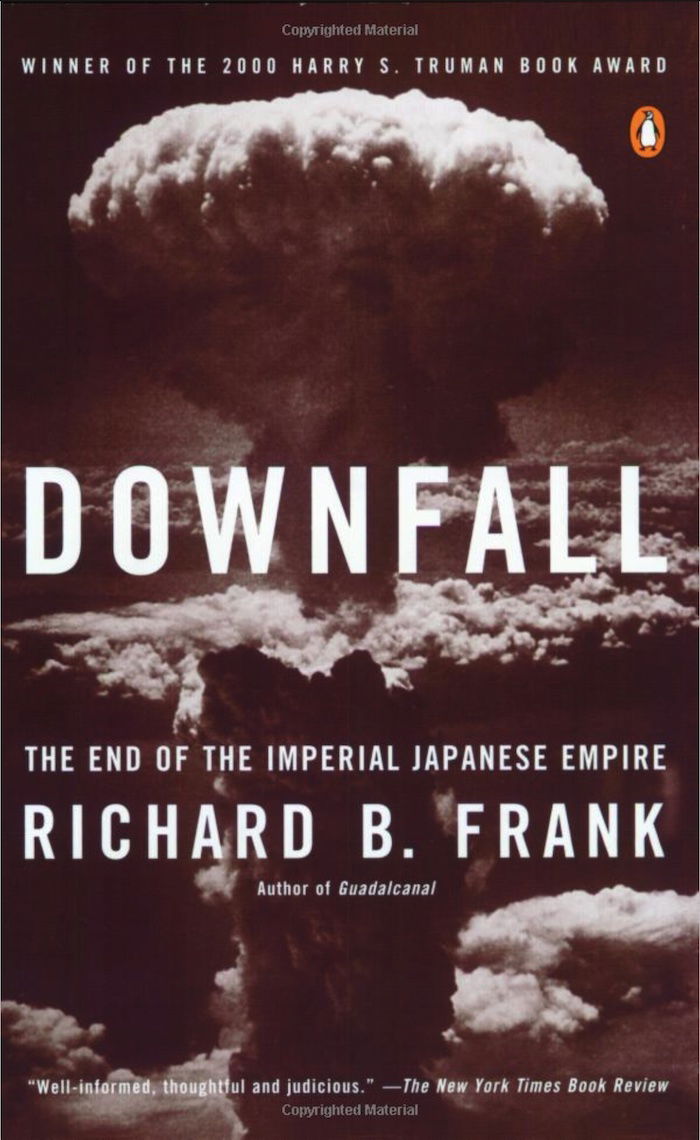 Richard Frank is an American historian who specializes in the Asia-Pacific War. He is known for extremely detailed research and writing, relying on evidence available from both Japanese and American archives. Downfall: The End of the Imperial Japanese Empire is the best book I have read about the end of the war, from both Japanese and American perspectives. The book focuses on 1945, discussing in detail the dire situation of Japan and the decisions leading up to the use of the atomic bombs. | Some videos included during sessionSome students have requested a second lecture on the Pacific War. There are many possible points to cover, so what are you interested in? Possibilities: 1. Japan's occupation of Asian regions (occupation, violence, war crimes) 2. Industrial wartime production (population & factories) 3. The U.S. bombing & blockade campaign 4. Atomic Weapons Development & Japan (wartime & afterward) Let me know if any of these interest you, or if you have some other topics that interest you. WWII CasualtiesCasualties in Asia about 35 million total, with Chinese casualties almost 20 million. |
| VIDEO Prewar -Japan: Rise of Ultranationalism -China: Conflict with itself & Japan -USA: American Empire War Factories: -Japan: Mitsubishi Zero -USA: Aviation -USA: Ships Bombing: -U.S. B-29 (Tokyo Raid) War Crimes: -Nanjing Massacre (Rape of Nanking) -Japan: Unit 731 & beyond (Australian news documentary) -Comfort Women: Interview with Ms. Kim Bok-Dong (survivor) -Comparison: Nazi Death Squads (SS Einsatzgruppen) Articles: -Article: Overview of War in Asia -Article: Atomic Narratives (by TF) | |

 |  |  |
 |  |  |
 |  |